Why Premium Matters

Why Premium Matters
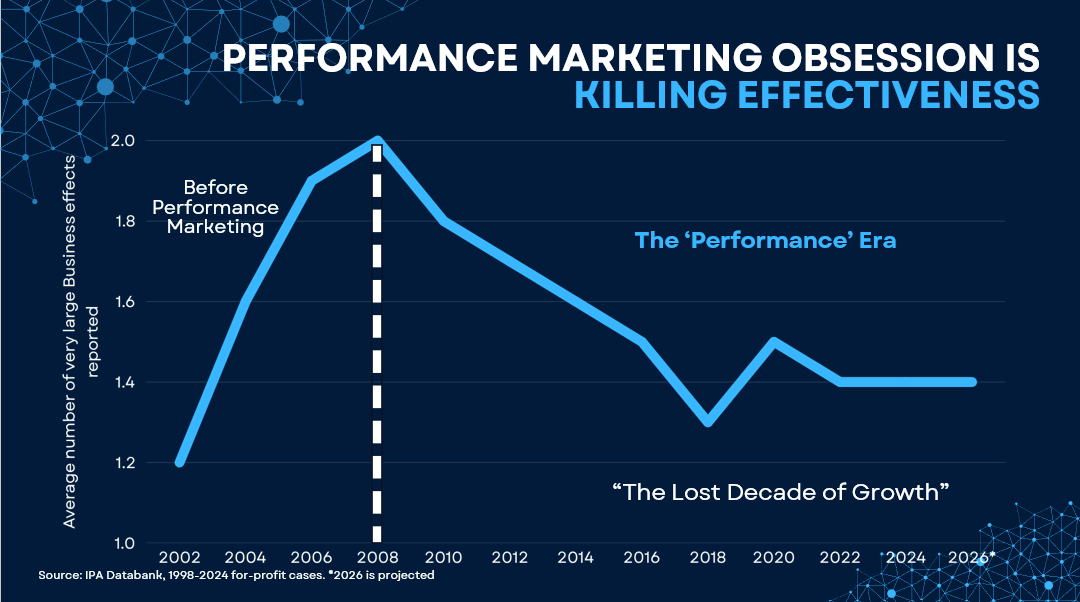
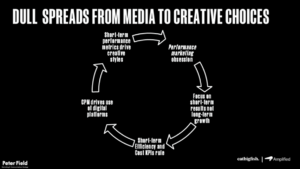
In an increasingly technology-driven advertising landscape, marketers have more tools and targeting capabilities than ever before. Yet advertising effectiveness is under pressure, in part because of an industry-wide shift toward short-term performance marketing at the expense of long-term brand building.
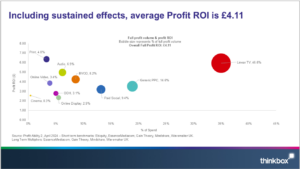
In this passionate and unfiltered presentation, Justin Lebbon makes the case for putting media quality back at the centre of media investment decisions. Drawing on research from Peter Field, Karen Nelson-Field, WARC, BARB and others, Justin highlights how an over-reliance on performance-driven digital advertising can undermine brand effectiveness, while cheap reach and short-term metrics can obscure the true value of media investments.

What makes a quality media environment? Four key factors stand out:
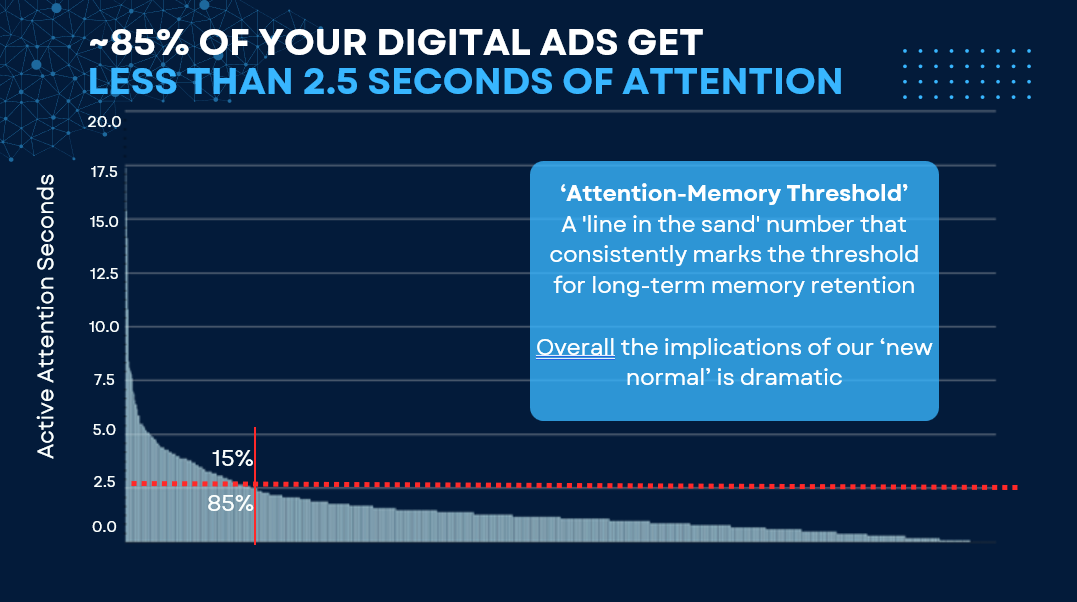
Attention: Ads need to be seen and heard to work. Karen Nelson-Field’s research found that an astounding 85% of digital impressions fail to achieve the 2.5-second threshold associated with effective attention. Longer viewing times, larger screens and audible exposure can all contribute to stronger advertising impact.
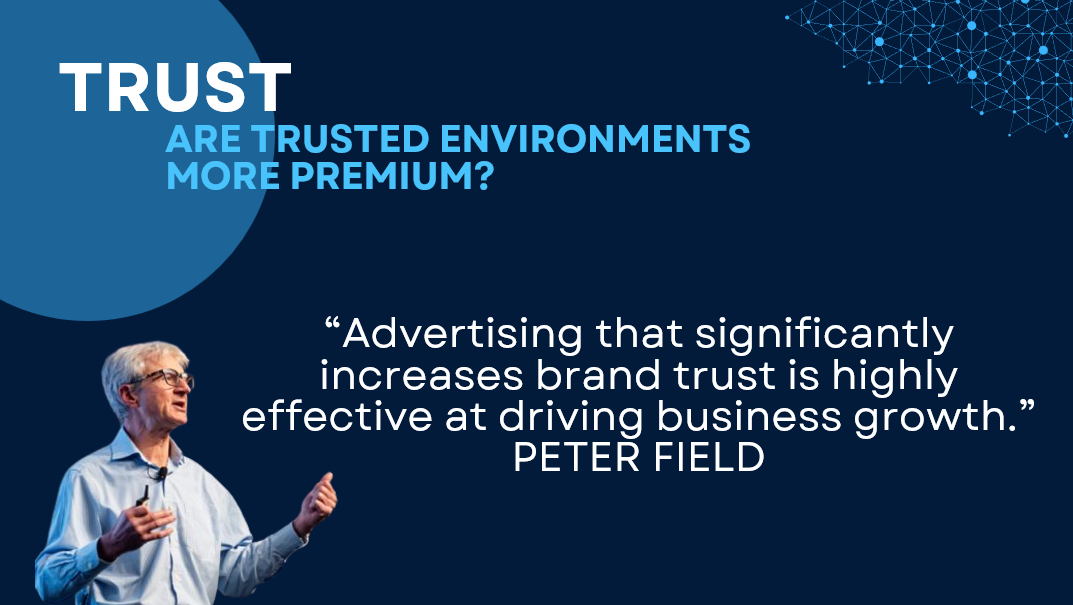
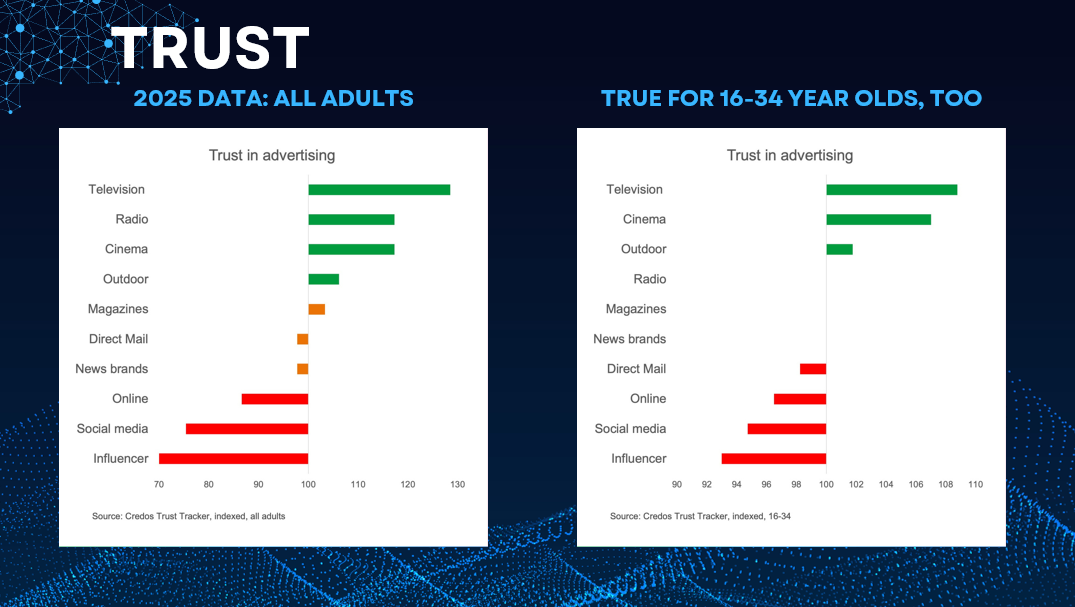
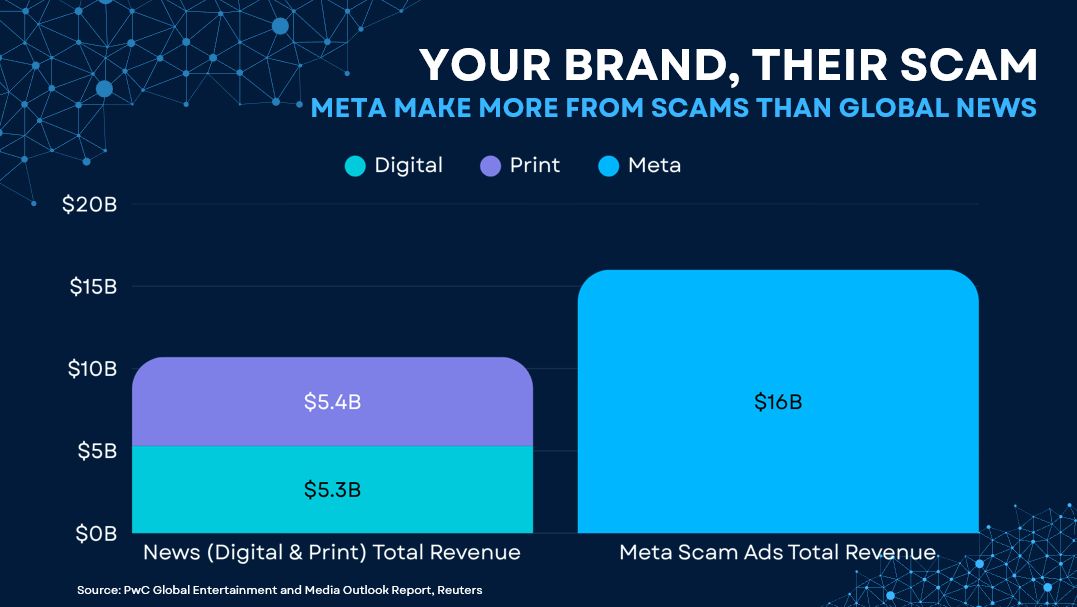
Trust: The credibility of the media environment can influence how consumers respond to advertising. Regulated, professionally produced media offers a level of accountability and consumer confidence that is increasingly important in an environment of unverified content and AI-generated misinformation. Justin’s presentation included a number of alarming stats pertaining to the scams and fraud involved in digital advertising and Meta in particular.
Context: Where an ad appears matters. The content surrounding an advertisement can influence brand perceptions, making the quality and suitability of the media environment an important consideration.
Transparency: Advertisers need to know where their money is going, what inventory they are buying and whether their ads are reaching real audiences. Opaque, platform-controlled buying systems can make it difficult to assess media quality and the true value of an investment.
Unintended consequences and the value of Canadian publishers
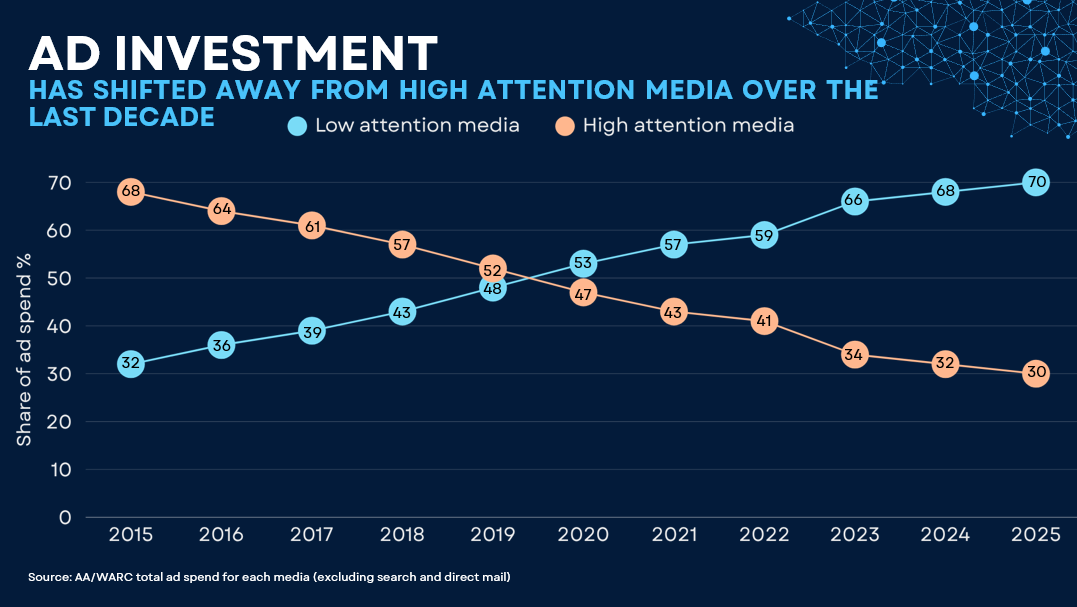
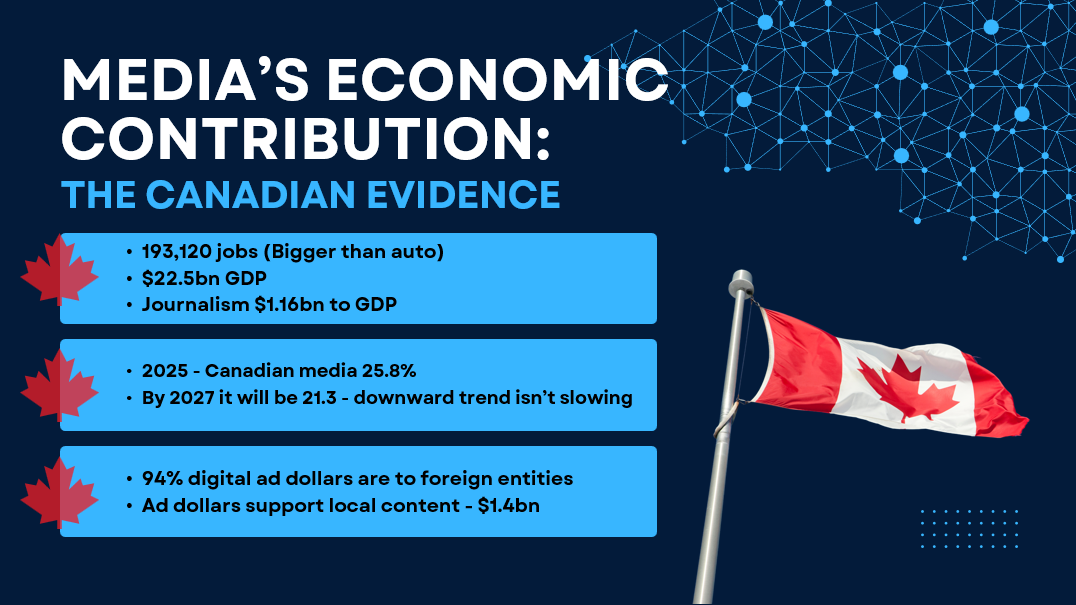
Justin’s presentation also examined the broader consequences of the industry’s increasing concentration of advertising spend on the big global tech platforms. As more investment flows to a small number of platforms, less funding reaches the local publishers and content creators responsible for producing quality journalism and entertainment at home. This has implications not only for advertisers, but for Canada’s broader media ecosystem and economy. As Justin says in his presentation, “Every dollar to the tech oligarchs makes our alternatives weaker.”
The takeaway for marketers
Sound media decisions include considerations beyond cost, targeting and immediate conversions. Rebalancing investment toward quality environments, prioritizing attention and trust, demanding greater transparency and supporting Canadian publishers will not only benefit the local media ecosystem, it will help strengthen long-term brand effectiveness and drive profitable results.
Dive into Justin’s complete presentation to discover more need-to-know information and Why Premium Matters.
related research

uture demand |
|
|
|

JUSTIN LEBBON
Founder & Media Industry Advisor
Justin Lebbon is a globally respected figure in the media and advertising industry, with television at the heart of his experience.
He founded what became the world’s leading TV advertising event series, later acquired by Adwanted Events. Through that platform, and the global conferences he continues to host, Justin has helped shape some of the most commercially important conversations in media.
He has a rare and current view of how television is being planned, evaluated and challenged across markets. Crucially, he does not view TV in isolation. He understands the wider media ecosystem through the lens of its key stakeholders – media owners, technology platforms, brands and agencies – and how their decisions are changing as competition for advertising investment intensifies.
Justin closely follows and frequently draws upon the work of the world’s leading advertising effectiveness thinkers and researchers. He argues that while this body of evidence is tremendously valuable, too often it is not reflected in how media investment decisions are actually made. Increasing complexity, competing incentives and industry noise can make it difficult for marketers to translate established effectiveness principles into practice. Justin is not a researcher himself; his perspective comes from sitting at the centre of these conversations and seeing how the evidence collides with the commercial realities of the media market.
Alongside his conferences, Justin consults across the industry (brands, media and tech) and runs private forums that put him in direct dialogue with senior marketers, media owners, agencies and technology companies across multiple markets. This gives him early visibility into where investment thinking is moving, the pressures influencing those decisions, and how commercial realities are reshaping media planning globally.
What sets Justin apart is his ability to connect these worlds. He cuts through industry noise and brings a grounded, independent and commercially realistic perspective to the forces shaping media investment – and what they mean for the future of television.